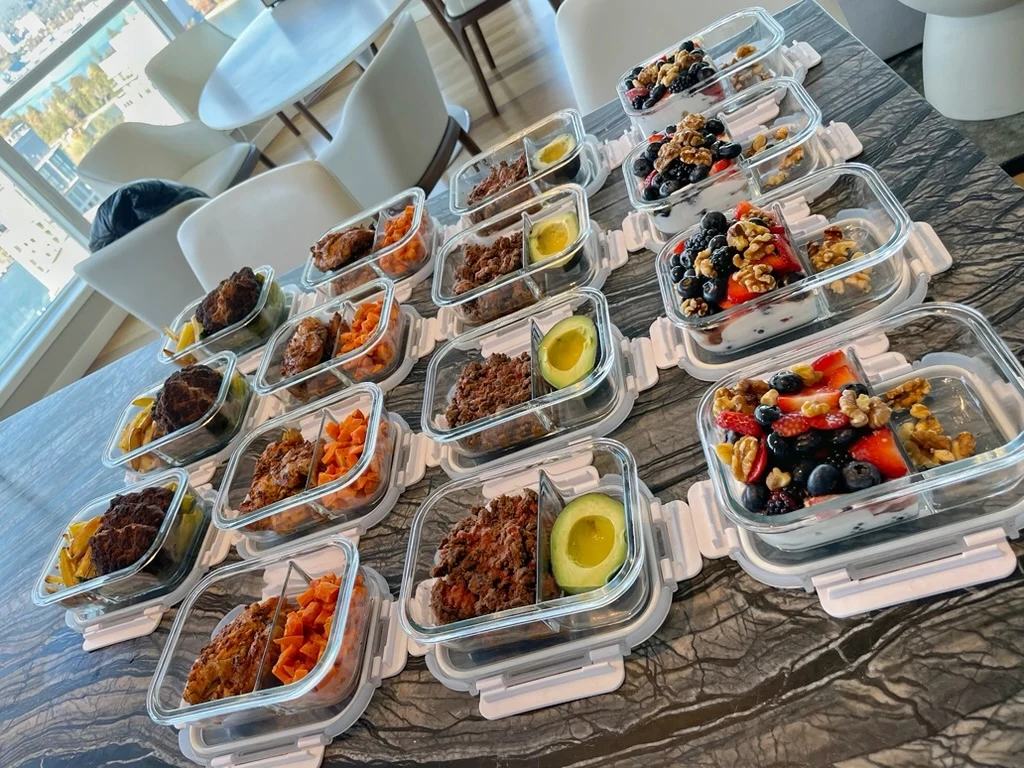
What is a biomarker meal plan?
A biomarker meal plan uses lab results, health history, and eating habits to guide meals. Blood sugar, cholesterol, and some nutrient levels may help shape the plan. Your goals, food preferences, and schedule matter too.
The finished plan should tell you what to eat, how much to prepare, and how to fit meals into the week. It may be a menu you cook yourself or a service that handles the food for you.
At Optimability, we connect the food plan with training, clinical guidance, and regular follow-up. Chef support is available in certain service tiers. The aim is to make good meals easier to keep up with.
What can blood work change about your meals?
Lab results can flag something worth a closer look. They do not tell us exactly what belongs on your plate. A clinician may need to assess a finding before anyone changes your food or supplements.
We also need to know what you eat now. Two people with a similar result may need different plans. One may skip lunch during work. The other may eat regular meals but have a medical issue that needs care.
| Information | How it can shape the discussion |
|---|---|
| Blood sugar and lipid results | Review the current diet with clinical guidance and decide what needs follow-up. |
| Nutrient tests | Check food intake and possible causes of a low level before choosing a fix. |
| Training and body goals | Plan enough food for the work you do and the changes you want to make. |
| Allergies, preferences, and symptoms | Choose meals you can safely eat and want to keep eating. |
| Time, budget, and kitchen access | Decide who shops, cooks, stores, and reheats the food. |
From a blood draw to a meal in the fridge
The useful part is the handoff from results to food. Here is how that process works at Optimability. The exact tests and level of support depend on your needs and agreed scope.
| Step | What happens |
|---|---|
| 01 · Review | Share health history, recent tests, medicines, goals, and current meals. |
| 02 · Set priorities | Review relevant results and bring medical findings to a qualified clinician. |
| 03 · Build the menu | Choose meals, portions, and timing around your goals and week. |
| 04 · Prepare the food | Agree on shopping, cooking, delivery, and storage. Chef support is an option. |
| 05 · Adjust | Check taste, hunger, digestion, and how well the plan fits. Change it when needed. |
What happens when the week changes?
A menu is only useful if you can follow it. If you work late, meals may need to be ready before the day starts. If you travel, the plan may shift to simple restaurant choices.
Choose an example below to see how food support can change. These examples show the planning process. They are not diets prescribed from a lab result.
How would food fit your week?
Make the default meal easy
- The situation
- You have a kitchen but little time between calls.
- A possible change
- Plan prep around the busiest days. Keep ready meals where you can grab and reheat them.
- What to check
- Do the portions, taste, and reheating instructions work for you?
Illustrative planning examples. Your own plan depends on your health needs and agreed service.
Choose how much of the work to hand over
If you like cooking, you may only need a clear menu and a shopping list. If time is the problem, prepared meals or a chef may be more useful. If a partner already cooks, the plan can be built with them.
Ask who handles the parts you find hardest. That might be buying food, cooking, cleaning, or keeping meals ready during travel. A service should be clear about what it does and what stays with you.
How much of your week goes into meals?
Replace these sample hours with your own. Count active time once, including time spent ordering food.
Ask a provider which tasks they would take over. These totals describe your inputs, not promised time savings. A month uses 52 weeks divided by 12.
Your entries stay in this page and are not sent to our team.
What does the chef service cost?
Optimability’s all-in chef service ranges from $50,000 to $100,000 per year, depending on your needs. This is the budget for a high-touch chef service, not the price of a meal-plan document or every Optimability program.
Ask for a written quote based on your household, meals per week, cities, and travel needs. Confirm what food, prep, delivery, and cleanup it covers. Testing and other health services should be listed clearly so there is no guesswork about the total.
Before choosing the full service, decide what you want back: time, more reliable meals, or less work around food. You may be able to meet that need with a smaller level of support.
What a meal plan cannot tell you
Blood work does not reveal one perfect diet. Results can change for many reasons, and a result within the lab range does not mean every symptom can be ignored. Ongoing fatigue, pain, or gut symptoms deserve proper medical review.
Food plans also need to be safe. Tell the team about allergies, pregnancy, medicines, or a history of an eating disorder. Do not change a prescribed treatment or add a high-dose supplement because of a menu or a blog post.
A useful review looks at daily life as well as test results. Are you eating the food? Is it easy to store and reheat? Do you enjoy it enough to keep going? Those answers can matter as much as the first menu.
Biomarker meal-plan questions
No. Blood tests measure things in your body at a point in time. DNA tests look at genetic traits. Neither can choose a complete diet on its own.
Some dietitians, clinics, and health services use lab results to guide nutrition. Optimability combines that planning with daily support and optional chef services. Check who reviews the labs and whether you receive advice, a menu, or prepared food.
There is no fixed number that makes a food plan useful. Ask which question each test will answer. Recent results may already provide some of the information needed.
No. The plan can work with your own cooking, an existing chef, or other food support. Agree on who will prepare the meals before choosing a service.
Yes. Share your dates, hotel, kitchen access, and meals out in advance. The team can plan around those limits. Confirm chef or delivery availability for each location.
Set goals before you start. Track how well you follow the meals, how you feel, and any measures agreed with your clinician or coach. Repeat tests when they can help answer a clear question.