Jump to a section
From food to a lab result
Your cells process carbohydrate, fat, and protein.
Organic acids take part in many of these steps.
We review the measured compounds with your wider health picture.
What is an organic acids test?
An organic acids test measures small compounds in urine. Many take part in how your body breaks down food and uses nutrients. Others come partly from microbes or things you have eaten.
At Optimability, we use the Vibrant Wellness Organic Acids panel when it fits the client's plan. We review it alongside symptoms, blood work, food intake, medicines, and supplements to decide what deserves a closer look.
What could the results change?
A result might prompt a review of your meals, a targeted blood test, or a discussion with your clinician. We first ask whether it fits the problem you want help with.
Once a change is agreed, we help you follow through. That could mean more regular meals, a training load you can recover from, or a simpler supplement routine with a clear reason for each item.
We agree on how to track progress, including symptoms and daily habits. We use repeat testing when it can answer a question that would change the plan.
Learn to read one result
Methylmalonic acid (MMA) is a small compound made as your body processes some fats and amino acids. Vitamin B12 helps this pathway work. MMA can rise when B12 is low, but kidney function and other factors also matter.
Each row has a marker, a result, a unit, and a reference range. A flag tells you the result falls outside that lab's range. The example below lets you explore each part.
This panel adjusts results for urine creatinine to help account for how dilute the sample is. Always use the units and range printed on your own report.
What does each part of a result mean?
Real marker and report reference limit, with an invented result for learning. This is not a client result.
The marker name
Methylmalonic acid (MMA) is a real organic acid. Vitamin B12 helps the body process the pathway it belongs to. A raised result can prompt a closer look at B12.
From a finding to a useful next step
MMA is the B12-related marker introduced in the sample report. The walkthrough shows how a clinician might investigate that question before deciding what to do.
One finding, followed through
An educational scenario, not a client case or a supplement recommendation.
MMA raises a question
In this educational scenario, a urine MMA result is flagged. That may prompt a closer look at vitamin B12. A urine result alone does not establish the cause.
Question: is this finding relevant to the person's symptoms?
The marker groups, in plain language
Start with what each group covers. Open the marker names if you want to match them to a report.
Energy production
Compounds involved in turning food into usable energy.
View marker names for energy production
- Lactate
- Pyruvate
- Citrate
- Cis-aconitate
- Alpha-ketoglutarate
- Succinate
- Fumarate
- Malate
- Ketones
- Adipate
- Suberate
- Sebacate
Food intake, fasting, illness, and sample conditions can affect these results.
Vitamin-related markers
Results that may prompt a closer look at nutrient intake or further testing.
View marker names for vitamin-related markers
- Methylmalonic acid (MMA)
- Pyridoxic acid
A result may guide follow-up. It does not set a supplement dose or prove a deficiency on its own.
Protein breakdown
Compounds made as the body processes amino acids, the building blocks of protein.
View marker names for protein breakdown
- Phenylpyruvate
- 2-oxoisocaproate
Clinicians review the full pattern and health history. Specialized organic acid tests also help assess inherited metabolic disorders.
Microbial byproducts
Compounds that can come partly from microbes, with food and other factors also contributing.
View marker names for microbial byproducts
- Hippurate
- HPHPA
- 4-cresol
- Arabinose
- Tartaric acid
A urine result alone cannot establish Candida, a parasite, a specific gut infection, or mold exposure.
Chemical messenger breakdown
Traces from the processing of substances such as serotonin and dopamine.
View marker names for chemical messenger breakdown
- HVA
- VMA
- DOPAC
- 5-HIAA
- Kynurenic acid
- Quinolinic acid
These urine results do not directly measure neurotransmitter levels in the brain.
Other metabolic pathways
Additional markers related to oxalates and reactions involved in the body's response to stress.
View marker names for other metabolic pathways
- Pyroglutamate
- 2-hydroxybutyrate
- Oxalate
- Glycolate
- Glycerate
Read these with the wider clinical picture. They do not measure total toxin load or establish a need for a detox program.
See where the energy markers come from
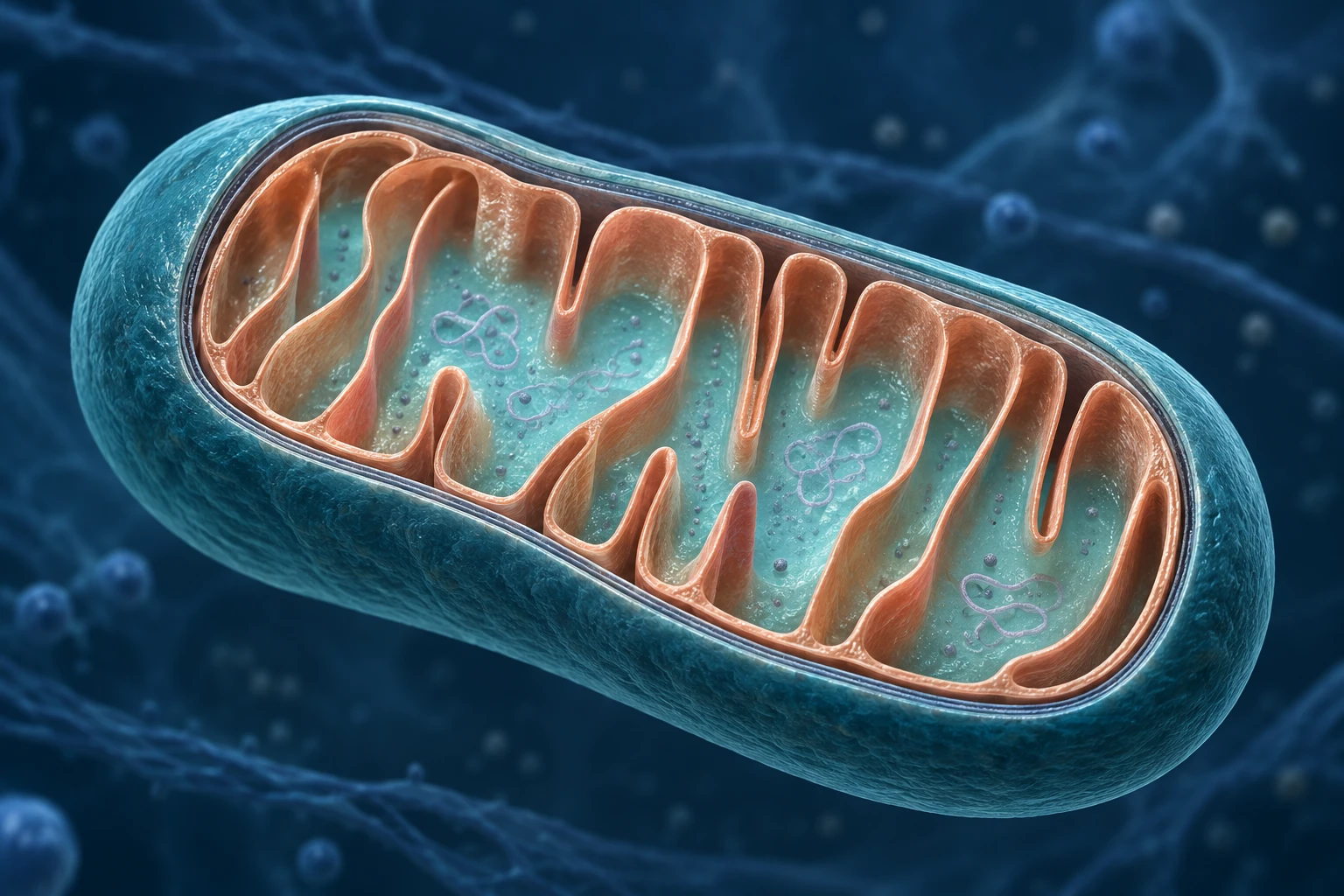
Your cells break down fuel through a series of reactions. Many happen inside mitochondria, small structures that help cells make ATP. ATP supplies energy for cell work.
The Krebs cycle is one part of that process. Start with the big picture, then explore the chemistry if you want to see where individual markers fit.
How cells use fuel
Food supplies fuel
Your body breaks down carbohydrate, fat, and protein into smaller compounds.
The cycle processes that fuel
Inside mitochondria, the Krebs cycle transfers energy to carrier molecules.
Cells make ATP
Those carriers feed another system that makes much of the ATP cells use for work.
The urine test measures related compounds leaving the body. It does not measure how much ATP you produce.
Follow a chemical messenger pathway
The report also maps starting materials, such as tryptophan and tyrosine, to compounds made along the way. Choose a pathway to see the connection.
These are maps of chemical reactions, not readings of your mood or focus. Urine markers do not directly measure what's happening in the brain.
From starting material to measured compound
Tryptophan
5-HTP → serotonin
5-HIAA
5-HIAA is a serotonin breakdown product. Food, medicines, and processes outside the brain can affect its urine level.
What a result cannot tell you on its own
A flagged value needs context. Food, medicines, illness, kidney function, and collection conditions can affect results. A value inside the range also cannot rule out every health problem.
This panel does not measure your ATP output, diagnose mitochondrial disease, or explain every cause of fatigue. Persistent or worsening symptoms need medical assessment. Sleep loss and missed meals still matter, whatever the report says.
Common questions
No. This is a urine test. Some compounds can be linked to microbial activity, while a stool test looks at different markers in a different sample. The right choice depends on the question your clinician is trying to answer.
It may help guide follow-up, but fatigue has many possible causes. Poor sleep, anemia, thyroid disease, low food intake, and medication effects may also need review.
Follow your kit's current instructions and check with the ordering clinician. Do not stop prescribed medicine on your own. Tell the team what you take so they can interpret the results.
The next step may be a food change, another test, or no action after review. If a supplement is appropriate, agree on its purpose, dose, safety checks, and when to reassess it with your clinician.