Where your food goes. What the test can show.
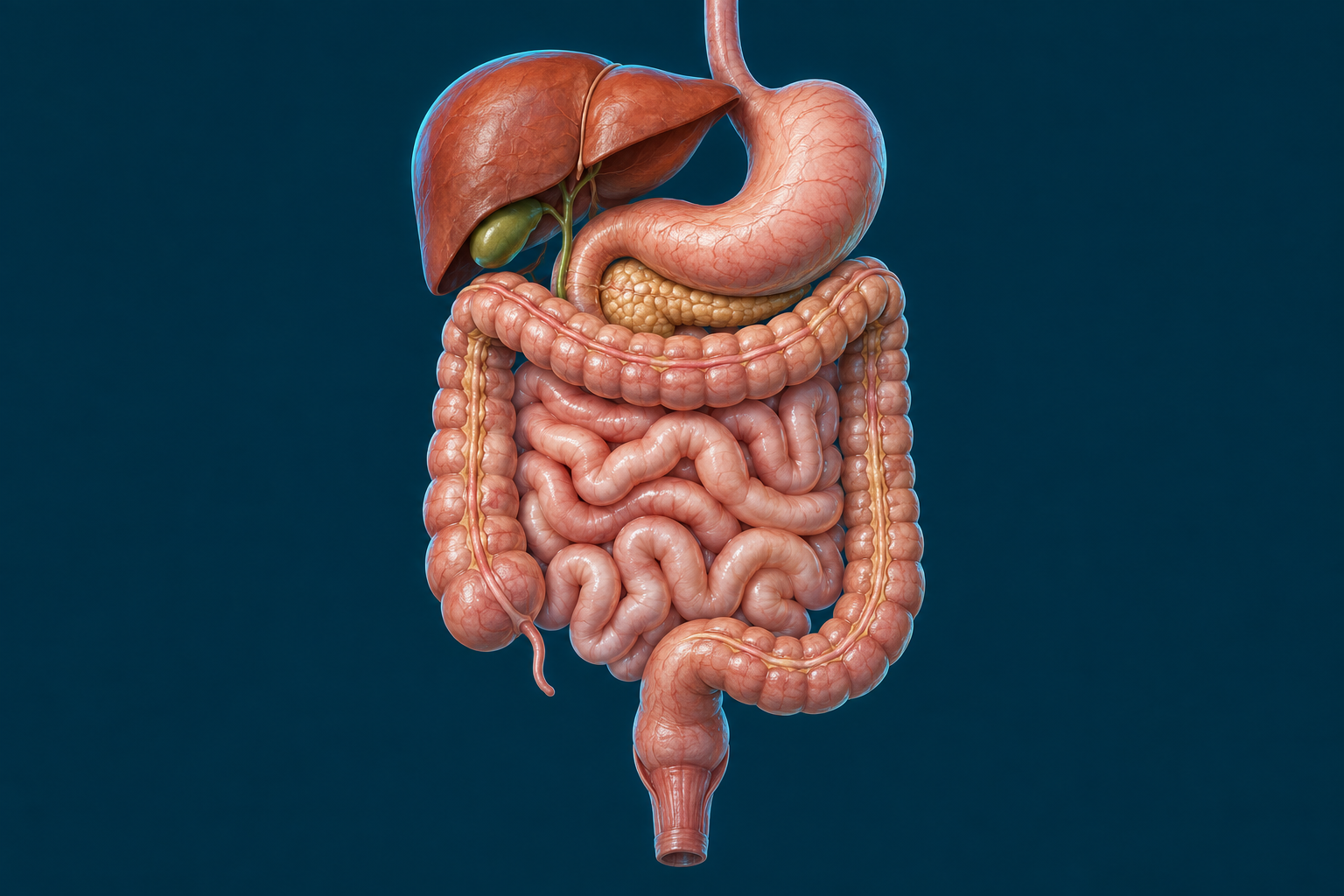
The report measures selected bile acids in stool, after digestion and changes made by gut bacteria.
What is the Gut Zoomer test?
Bloating, unsettled digestion, or a change in bowel habits can make an already busy day harder. Food choices, medication, infection, and many other factors can play a part. Testing can help a clinician decide what needs a closer look.
Gut Zoomer is a lab test from Vibrant Wellness. It looks at microbes in a stool sample alongside markers of digestion, immune activity, and inflammation. The report we explain here also includes a urine panel that measures selected neurotransmitters and their breakdown products.
Optimability coordinates testing and helps put the agreed plan into your daily routine. The lab analyzes the samples. A qualified healthcare provider interprets findings that need medical attention. We bring that guidance together with your food preferences, schedule, and other health information.
A longer report does not always mean you need more treatment. The useful question is which findings change what you and your care team do next.
What do we measure?
The report covers several different kinds of information. Some results describe microbes. Others measure proteins, fats, or chemicals in the sample. Open a group below to see the main markers and what they tell us.
Gut bacteria and diversity
- Akkermansia muciniphila
- Bifidobacterium
- Lactobacillus
- Faecalibacterium prausnitzii
- Roseburia
- Shannon and Simpson diversity indices
The report also groups microbes into larger families and shows ratios. These describe the sample; there is no single ideal mix that fits everyone.
Potential pathogens and resistance genes
- H. pylori
- C. difficile and toxin genes
- Giardia
- Candida species
- Selected antibiotic resistance genes
Detecting genetic material does not always mean an organism is causing illness. Symptoms and further testing may be needed. A negative sample cannot rule out every infection.
Inflammation
- Calprotectin
- Lactoferrin
- Beta-defensin 2
- Lysozyme
- MMP-9
- S100A12
- Fecal eosinophil protein X
These proteins relate to immune activity. A raised result can prompt a closer look at inflammation, but does not identify the cause.
Digestion and absorption
- Pancreatic elastase
- Total fecal fat
- Triglycerides
- Long-chain fatty acids
- Cholesterol
- Phospholipids
- Undigested meat and vegetable fibers
- Stool pH
These findings need context from your diet, stool consistency, symptoms, and medical history.
Immune and barrier-related markers
- Secretory IgA
- Fecal zonulin
- LPS antibodies
- ASCA
- Tissue transglutaminase antibodies
- Deamidated gliadin peptide antibodies
- Fecal anti-gliadin antibodies
- Actin antibodies
- FIT (blood in stool)
These tests have different uses and limits. Zonulin alone does not establish increased gut permeability. This panel does not replace standard testing for celiac disease or inflammatory bowel disease.
Gut metabolites
- Acetate
- Propionate
- Butyrate
- Valerate
- Total short-chain fatty acids
- Bile acids: CA, CDCA, DCA, LCA
- LCA/DCA ratio
- Beta-glucuronidase
These compounds add information about fermentation and digestion. A stool level does not show everything your microbes produce or your body absorbs.
The urine neurotransmitter panel
- Serotonin
- Dopamine
- GABA
- Glutamate
- Tryptophan
- Tyrosine
- 5-HIAA
- HVA
- DOPAC
- VMA
- Urine creatinine
These are urine measurements, not a direct reading of brain neurotransmitters or a stand-alone explanation for anxiety, fatigue, or brain fog.
Two ways to describe a community
A composition chart shows how much of the measured sample belongs to each group.
How many different kinds of microbes are present?
How evenly are they spread across the community?
Example proportions for learning. These are not client results or an ideal microbiome.
What inflammation markers can tell us
Your gut lining separates the contents of the intestine from the tissue beneath it. Immune cells help respond to infection and injury. Some proteins released during that response can be measured in stool.
Calprotectin and lactoferrin are two examples. A high result can tell a clinician to investigate inflammation. It does not show exactly where it is or whether infection, inflammatory bowel disease, medication, or another cause is responsible.
We review these findings before making a long list of food or supplement changes. A result that needs medical follow-up should shape the next step in the plan.
What a barrier does
Compare three simplified states of the lining.
A well-supported barrier
A continuous protective mucus layer.
Cells sit close together, with intact tight junctions.
Immune cells monitor the tissue below.
Strong, moderate, and weak are teaching labels, not Gut Zoomer scores or diagnostic stages. A stool marker cannot show the lining like a camera or assign one of these states.
How bacteria and digestion shape the report
Some gut bacteria break down fiber that reaches the large intestine. This process makes short-chain fatty acids, including butyrate. Cells lining the colon use butyrate as a source of energy.
Bile acids have a different job. The liver makes bile acids, which help with fat digestion. Gut bacteria can change them, and much of the bile acid pool is reabsorbed and reused.
The report measures what is present in the stool. Food intake, absorption, and the speed at which food moves through the gut can affect the result. Low stool butyrate does not mean the body has stopped making it. High stool fat needs investigation into digestion and absorption rather than an automatic instruction to avoid all fat.
Follow the process
How to read a result
Start with the name of the marker and its units. Then look at the lab's reference range. The range helps flag results for review; it is not a personal target or a score for how healthy you are.
If a previous result is shown, check that the same method and units were used. Changes in collection, medication, diet, or stool consistency can affect a comparison. Symptoms and other health information belong beside the numbers.
The report also contains calculated scores linked to health categories. These are different from directly measured markers. A score labeled SIBO or inflammatory bowel disease does not establish either diagnosis.
Read one row at a time
≤50 µg/g
28 µg/g
Your result is the amount measured in the sample. Here, 32 is a made-up value to help explain the report.
Demonstration values. The colored bar shows the layout, not a scale for diagnosing illness.
What the findings can change
The plan starts with what needs attention most. A possible infection or a clear inflammation signal may need a clinician's review. An existing diagnosis, medicine, or food restriction may change what is suitable.
For food, we look at what you eat now and what you can tolerate. Changes might involve the type and amount of fiber, meal size, or the foods used to meet your needs. We work those choices into meals you will actually eat, including chef support where it is part of your program.
Supplements need a reason, a suitable dose, and a review point. The lab's suggestion list is a starting point for discussion. It is not a shopping list, and a flagged organism does not automatically call for an antimicrobial or probiotic.
Follow-up includes how you feel, your bowel habits, and whether the plan fits your week. Repeat testing is useful when the result could change care. We do not need every number to move before noticing a meaningful improvement in daily life.
What changed for Patrick
Patrick Lovelace was a 22-year-old day trader and creator who ordered most of his meals. He felt tired by midday, had little structure, and described being brain fogged much of the time.
His case materials record raised calprotectin and fecal fat, with low butyrate. Those findings gave the team specific issues to review alongside his symptoms and blood work. They did not explain every symptom on their own.
A chef began delivering meals within two days. His support included changes to nutrition and supplements, plus a training routine built around his back discomfort and travel. Several parts of his care changed together.
About a month later, Patrick reported clearer thinking and an end to his midday crash. He also found it easier to keep a food routine on trips. His experience describes what he noticed; it cannot tell us which single change caused the improvement.

“Once my gut improved, my mental got way clearer.”Patrick Lovelace · Day trader and creator
What testing looks like with Optimability
- Review your symptoms and history. We discuss your routine, current care, and the question testing is meant to answer.
- Collect the samples at home. Follow the instructions for your specific kit. The report covered here uses stool and urine samples. Check preparation questions with the ordering provider before changing medication or supplements.
- Review the findings. Results are considered together, with medical follow-up where needed. We agree on the priorities and explain what each change is for.
- Put the plan into your week. Food, meal support, and follow-ups are organized around your schedule. We adjust the plan as your response and needs become clearer.
Where the urine panel fits
Tryptophan and tyrosine are amino acids found in protein foods. The body uses them in several pathways, including those that make serotonin and dopamine. The urine panel measures selected compounds along these pathways.
A pathway diagram shows how substances relate to one another. It does not show the amount of serotonin or dopamine in your brain. We would not use a urine result alone to explain low mood, poor focus, or the need for a supplement.
Two pathways in the report
Tryptophan pathway
This shows one branch of tryptophan metabolism. Other branches include the kynurenine pathway. The report measures selected compounds in urine.
Tyrosine pathway
Dopamine is broken down through pathways that include DOPAC and HVA. It is also a precursor to norepinephrine. These relationships help explain the names in the report.
Common questions
The report covered in this guide includes both. Stool testing covers microbes and markers of digestion, inflammation, and gut function. The urine panel measures selected neurotransmitters and related compounds. Follow the instructions for the version ordered for you.
A low bacterial result does not automatically mean you need a matching probiotic. The choice depends on your symptoms, medical history, and the evidence for a particular strain. Some people do not need one.
It screens for selected parasites. A positive result needs clinical interpretation, and one negative sample cannot rule out every infection. Ongoing symptoms may call for other testing.
This report alone cannot establish either diagnosis. Zonulin has limitations as a marker of gut permeability, and stool bacteria do not directly show what is happening in the small intestine. A clinician can decide whether a different test is needed.
No. Stool, urine, and blood tests answer different questions. A stool result cannot tell you your blood iron level, cholesterol, or vitamin status. The choice of tests should follow your symptoms and health history.
No. A focused medical test may be a better first step. Research has not established that broad microbiome profiling improves outcomes for everyone. Testing is most useful when there is a clear question and a plan for what to do with the result.
Blood in the stool, persistent or severe abdominal pain, fever, unexplained weight loss, or ongoing diarrhea need medical assessment. Do not wait for a wellness test to investigate these symptoms.