What makes a meal plan biomarker-led
Many personalized meal plans start with your goal, food preferences, and body weight. A biomarker-led plan also looks at measurements from your body. These can include blood sugar, insulin, cholesterol, iron, vitamins, hormones, inflammation, and liver or kidney function.
The findings may change the menu. Low ferritin can affect the proteins you eat and what you pair with them. Problems with blood sugar control can affect the amount and timing of carbohydrates. Raised inflammation markers may lead the team to review fat sources.
Blood work can narrow the options, but it cannot produce one perfect diet. Your preferences, schedule, training, symptoms, and clinical guidance still matter.
How blood work becomes a menu
A trained professional draws blood at your home. The panel covers more than 500 markers related to metabolism, hormones, nutrients, inflammation, and organ function. The team reviews the findings with you instead of sending a report with no follow-up.
The findings help set daily calories, protein, carbohydrates, fats, nutrients to address, foods to limit, and meal timing. A menu then turns those targets into recipes and portions.
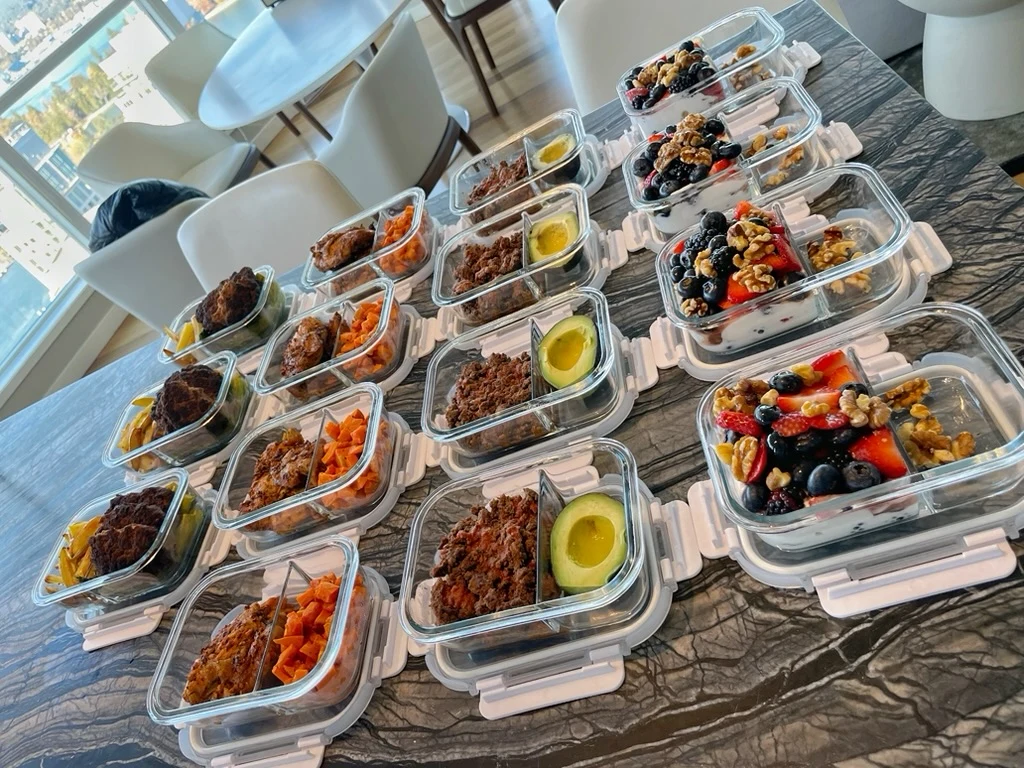
A chef prepares and delivers the meals. This removes the shopping, preparation, and cooking that often make a detailed plan difficult to follow during a busy week.
Later testing shows how the markers have changed. The team reviews those results alongside how you feel and adjusts the plan when needed.
Where wearables and trackers fit
Wearables track daily signals such as sleep, heart rate variability, activity, and resting heart rate. Blood work provides a different view of what is happening inside the body. One cannot replace the other.
Optimability reviews both. Recovery data may lead the team to reduce a week’s training load, while blood results and training demands may change the food plan.
What this costs to run
The total cost includes testing, the professional time needed to review the results and build the plan, and the prepared food. Chef labour is part of the food cost.
Prepared meals cost more than groceries alone. The price changes by city, household size, delivery schedule, and the number of meals covered each week.
Optimability’s chef service typically costs $50,000 to $100,000 per year, all in. The final amount depends on the city, household size, number of meals, delivery schedule, and level of support.
Who this does not suit
This service does not provide a diagnosis. Optimability is not a licensed medical provider and does not diagnose, treat, or cure disease. Physicians and specialists handle clinically concerning results.
It also requires ongoing follow-up. A single meal plan based on one blood draw can become outdated as your results and circumstances change.
Food may not be the main issue. If poor sleep, alcohol, or working until two in the morning is causing the problem, a new menu alone will not solve it.
Common questions
Are there any biomarker meal plan services on the market?
Yes, although few services combine every part. Lab companies provide testing, meal services provide food, and nutrition coaches provide plans. Optimability combines blood testing, interpretation, and chef-prepared meal delivery for founders and teams.
What is a biomarker meal plan?
It is a meal plan informed by your blood work. Markers related to metabolism, hormones, nutrients, and inflammation help guide calories, protein, carbohydrates, fats, and meal timing. The team then builds a menu around those targets.
How many biomarkers do you need to test for a meal plan?
A standard metabolic and cholesterol panel, along with iron, vitamin D, and thyroid markers, can inform a basic plan. Optimability reviews more than 500 markers to provide a broader view of nutrient, metabolic, and hormonal factors. Later tests can then be compared with that starting point.
How much does a biomarker-based meal plan cost?
The total includes the diagnostic panel, professional review and planning, and the food. Optimability’s chef service typically costs $50,000 to $100,000 per year, all in. The final amount depends on the city, household size, number of meals, delivery schedule, and level of support.
Can a blood test tell you what to eat?
A blood test can help narrow your options. It can flag nutrients to review and show how your body is handling glucose and fats. It cannot choose one correct diet. Your preferences, schedule, training, symptoms, and clinical guidance still shape the menu.
Is this the same as DNA or microbiome diet testing?
No. DNA testing reports genetic predispositions, while microbiome testing describes the organisms found in the gut. Blood markers can change over time, so they can help the team adjust a plan and review the response.
Optimability runs the testing, the interpretation, and the cooking as one service for founders and teams. If that is the shape of the problem, the next step is an application and a fit review.
Apply